In today’s fast-paced financial world, an asset management CRM platform isn’t just a luxury—it’s a necessity. Discover how top firms leverage this powerful tool to boost efficiency, client satisfaction, and growth.
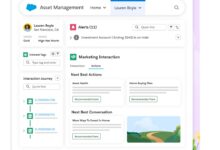
What Is an Asset Management CRM Platform?

An asset management CRM platform combines the robust client relationship capabilities of a CRM system with the specialized needs of asset and wealth management firms. Unlike generic CRMs, these platforms are tailored to handle complex client portfolios, compliance requirements, and performance reporting.
Defining CRM in Financial Services
Customer Relationship Management (CRM) in finance goes beyond tracking leads and contacts. It’s about managing long-term client relationships, tracking investment preferences, and ensuring regulatory compliance. According to Investopedia, CRM systems help firms streamline interactions, improve service delivery, and enhance client retention.
- Tracks client communication history
- Manages service requests and follow-ups
- Integrates with portfolio reporting tools
For asset managers, a CRM isn’t just a database—it’s a strategic tool for client engagement and business intelligence.
Core Components of an Asset Management CRM
A specialized asset management CRM platform includes several key components that differentiate it from general-purpose systems. These include client profiling, portfolio integration, compliance tracking, and performance analytics.
- Client Profiles: Detailed records including risk tolerance, investment goals, and family structure.
- Portfolio Integration: Real-time syncing with custodians and portfolio accounting systems.
- Compliance Engine: Tracks regulatory requirements like MiFID II, SEC rules, and KYC/AML protocols.
“A CRM that understands the nuances of wealth management is no longer optional—it’s the backbone of client-centric service.” — Financial Technology Analyst, Deloitte
Why Asset Managers Need a Dedicated CRM Platform
Generic CRMs fall short when it comes to the unique demands of asset management. A dedicated asset management CRM platform addresses these gaps by offering industry-specific workflows, deeper data integration, and advanced reporting.
Handling Complex Client Structures
High-net-worth individuals (HNWIs) often have multiple accounts, trusts, foundations, and family offices. Managing these relationships manually is error-prone and inefficient. An asset management CRM platform centralizes all client entities under a single household view.
- Consolidates data from multiple accounts and entities
- Visualizes family relationships and ownership structures
- Tracks intergenerational wealth planning
Platforms like Addepar and Tamarac offer householding features that allow advisors to see the full financial picture of a client family.
Improving Advisor Productivity
Advisors spend nearly 40% of their time on administrative tasks, according to a Morgan Stanley study. An asset management CRM platform automates routine processes like meeting notes, follow-up tasks, and document generation.
- Automated meeting summaries using AI transcription
- Task reminders for rebalancing or compliance reviews
- Document templates for proposals and performance reports
This shift allows advisors to focus on strategic planning and client engagement, directly impacting revenue growth.
Top Features of a Modern Asset Management CRM Platform
The most effective asset management CRM platforms offer a blend of automation, integration, and intelligence. These features empower firms to deliver personalized service at scale.
Unified Client Dashboard
A centralized dashboard gives advisors instant access to all client information—portfolio performance, upcoming meetings, service tickets, and communication history.
- Real-time portfolio values from custodial feeds
- Upcoming birthdays, anniversaries, and policy renewals
- Recent email and call logs
This holistic view enables proactive service. For example, an advisor can notice a client’s portfolio is drifting from target allocation and schedule a rebalancing call before the next review meeting.
Integration with Portfolio Management Systems
Seamless integration with portfolio accounting and rebalancing tools is a hallmark of a true asset management CRM platform. This eliminates data silos and reduces manual entry errors.
- Bi-directional sync with systems like Envestnet, SEI, or Charles River
- Automated performance reporting generation
- Direct trade order routing from CRM workflows
As noted by Finextra, integration depth is a key differentiator in CRM selection for asset managers.
AI-Powered Insights and Automation
Modern platforms leverage artificial intelligence to surface insights and automate repetitive tasks. From sentiment analysis of client emails to predictive analytics on churn risk, AI enhances decision-making.
- Natural language processing for call and email summaries
- Predictive analytics for client needs (e.g., liquidity events)
- Automated compliance alerts based on transaction patterns
For instance, if a client frequently asks about ESG investments, the CRM can flag them for a sustainability portfolio review.
How an Asset Management CRM Platform Enhances Client Experience
Client expectations have evolved. They demand transparency, personalization, and responsiveness. An asset management CRM platform enables firms to meet and exceed these expectations.
Personalized Communication at Scale
With segmentation and automation, firms can send targeted communications to client groups based on life events, investment behavior, or preferences.
- Automated birthday messages with personalized portfolio snapshots
- Newsletters segmented by risk profile or investment theme
- Event invitations based on geographic or interest data
This level of personalization strengthens emotional connections and builds trust.
Proactive Service and Financial Planning
A CRM doesn’t just react to client needs—it anticipates them. By tracking life milestones and financial goals, the platform helps advisors offer timely advice.
- Alerts for upcoming college tuition payments
- Retirement income projections based on current savings
- Estate planning reminders for clients over 65
This proactive approach positions advisors as trusted partners, not just investment managers.
Compliance and Security in Asset Management CRM Platforms
In a heavily regulated industry, compliance isn’t an afterthought—it’s a core requirement. A robust asset management CRM platform includes built-in tools to ensure adherence to global and local regulations.
Regulatory Reporting and Audit Trails
The platform maintains a complete audit trail of all client interactions, document changes, and trading recommendations.
- Time-stamped records of all advisor-client communications
- Version history for financial plans and proposals
- Automated logs for suitability assessments
This is critical for regulators like the SEC and FCA, who require firms to demonstrate due diligence in client recommendations.
Data Security and Privacy Controls
Client financial data is highly sensitive. Leading asset management CRM platforms employ enterprise-grade security measures.
- End-to-end encryption for data in transit and at rest
- Role-based access controls (RBAC) to limit data visibility
- Regular third-party security audits and SOC 2 compliance
As highlighted by ISACA, financial CRMs must align with GDPR, CCPA, and other privacy regulations to avoid penalties.
Choosing the Right Asset Management CRM Platform
With numerous options on the market, selecting the right asset management CRM platform requires careful evaluation of firm size, tech stack, and strategic goals.
Key Evaluation Criteria
Firms should assess platforms based on scalability, integration capabilities, user experience, and vendor support.
- Scalability: Can the platform grow with your client base?
- Integration: Does it connect with your custodians, PMS, and accounting systems?
- Customization: Can workflows be tailored to your advisory process?
- Support: Is there dedicated onboarding and ongoing training?
Platforms like Salesforce Financial Services Cloud offer high customization, while others like Redtail focus on ease of use for smaller firms.
Implementation Best Practices
Successful CRM adoption requires more than just software installation. It involves change management, data migration, and user training.
- Start with a pilot group of advisors
- Clean and standardize client data before migration
- Develop internal champions to drive adoption
- Schedule regular training sessions and feedback loops
According to Gartner, 70% of CRM projects fail due to poor user adoption, not technical flaws.
Future Trends in Asset Management CRM Platforms
The evolution of CRM in asset management is accelerating, driven by AI, open banking, and client demand for digital experiences.
AI and Predictive Analytics
Future platforms will use machine learning to predict client behavior, recommend next-best actions, and automate portfolio reviews.
- Predictive churn models to identify at-risk clients
- Automated rebalancing suggestions based on market conditions
- Dynamic risk profiling using transaction and behavioral data
These capabilities will transform CRM from a reactive tool to a proactive intelligence engine.
Open API Ecosystems
Open banking and API-first architectures will enable deeper integration with third-party services like tax planning, estate attorneys, and insurance providers.
- Secure data sharing with external partners via API
- Embedded financial wellness tools (e.g., budgeting apps)
- Real-time access to alternative investment data
As noted by OCLC Research, open ecosystems will redefine how asset managers deliver holistic financial advice.
What is an asset management CRM platform?
An asset management CRM platform is a specialized software solution that combines client relationship management with portfolio data, compliance tools, and financial planning features tailored for wealth and asset managers.
How does a CRM improve client retention in asset management?
By centralizing client data, automating communication, and enabling proactive service, a CRM helps advisors build stronger relationships, respond faster to needs, and deliver personalized experiences that increase loyalty.
Can small firms benefit from an asset management CRM platform?
Yes. Many platforms offer scalable pricing and simplified workflows ideal for small to mid-sized firms. The efficiency gains and improved client service often provide a strong ROI even for smaller teams.
What security features should I look for in a CRM for asset management?
Look for end-to-end encryption, SOC 2 compliance, role-based access controls, audit trails, and adherence to regulations like GDPR and MiFID II.
How long does it take to implement an asset management CRM platform?
Implementation can take 4 to 12 weeks depending on data complexity, integration needs, and team size. Proper planning and training are critical for success.
An asset management CRM platform is no longer a back-office tool—it’s a strategic asset that drives client satisfaction, operational efficiency, and regulatory compliance. From unified dashboards to AI-powered insights, the right platform empowers firms to deliver exceptional service in a competitive market. As technology evolves, the integration of open APIs and predictive analytics will further elevate the role of CRM in wealth management. Choosing the right platform requires careful evaluation, but the long-term benefits in client retention and advisor productivity make it a worthwhile investment.
Further Reading:
